Health
Simple self-care habits that reduce burnout and cost nothing
Tired of feeling drained, but think self-care requires expensive products? Rethink your routine. Discover simple, realistic habits that cost absolutely nothing but are powerful enough to interrupt the burnout cycle and significantly boost your mental health today
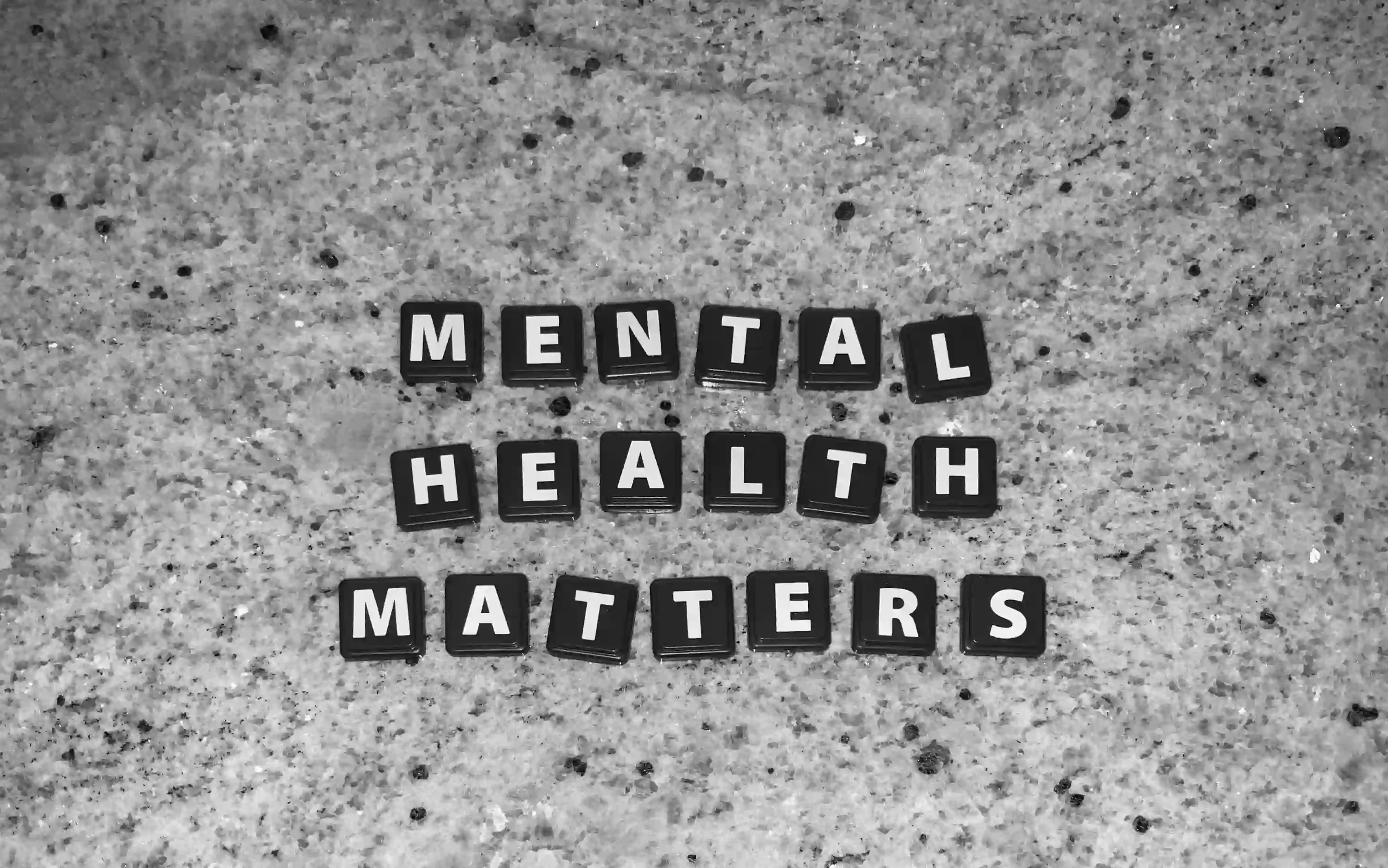
In our always-on world, burnout isn't a badge of honor; it's a critical threat to our mental health. The problem is that self-care has been marketed as a luxury—something involving expensive spa days, complex diets, or retail therapy.
This is a myth.
True, sustainable self-care is about setting boundaries and creating micro-moments of relief that are always accessible. These habits are free, realistic, and powerful enough to halt the burnout cycle in its tracks. If you want genuine stress management without spending a penny, start here.
Understanding the Burnout Cycle
Burnout is a state of emotional, physical, and mental exhaustion caused by prolonged or excessive stress. It is characterized by three feelings:
- Emotional Exhaustion: Feeling depleted and unable to cope.
- Cynicism/Detachment: Developing a distant or negative attitude toward your work or life.
- Reduced Accomplishment: Feeling ineffective or lacking achievement.
To escape this cycle, you need interventions that immediately lower your stress hormones (cortisol) and bring you back into the present moment.
4 Pillars of Free Self-Care to Reduce Burnout
These simple, no-cost actions can be implemented today to provide realistic stress relief:
Pillar 1: The Power of the "No" Habit (Emotional Boundary)
The fastest way to reduce burnout is by controlling your inputs, not your outputs. Every time you say "yes" to an unnecessary obligation, you are saying "no" to your own energy reserves.
- The Habit: Practice saying "Let me check my schedule and get back to you" instead of defaulting to "yes." This buys you time to assess your energy and decide if the request aligns with your priorities.
- Cost: Zero.
- Impact: Protects your energy and reduces feelings of resentment and over-commitment.
Pillar 2: The 5-Minute Movement Reset (Physical Relief)
Burnout often manifests as physical tension (tight neck, clenched jaw). Breaking the physical stillness is a potent form of free self-care.
- The Habit: Once every two hours, set a timer for five minutes. Stand up, walk around the room, perform a desk stretch, or simply look out a window and deliberately shift your gaze far into the distance.
- Cost: Zero.
- Impact: Releases physical tension, boosts circulation, and resets your focus better than coffee.
Pillar 3: The Digital Sunset (Mental Boundary)
Your phone is the primary source of constant "drip-feed" stress, disrupting your focus and your sleep (a major driver of chronic fatigue).
- The Habit: Create a non-negotiable "Digital Sunset." One hour before bed, put your phone and laptop in a completely different room or in a drawer. Replace screen time with a book, a conversation, or a simple cleanup task.
- Cost: Zero.
- Impact: Allows your brain to transition naturally into sleep mode, improving the quality of your rest and clarity the next day.
Pillar 4: The 5-Minute Brain Dump (Emotional Processing)
One major component of burnout is a feeling of being overwhelmed by an endless mental to-do list.
- The Habit: Grab any piece of paper (or open a blank note on a computer) and spend five minutes writing down every single thought, worry, task, or obligation that is currently cycling in your head. Do not edit or judge—just empty the mind.
- Cost: Zero (just scrap paper).
- Impact: Externalizing your stress significantly reduces anxiety and gives you a sense of control over your overwhelming thoughts.
Self-Care is Not Selfish
If you feel that self-care habits are too self-indulgent or you don't have the budget, remember this: the best, most effective ways to reduce burnout are free and require only a small investment of intentional time. By protecting your boundaries and processing your stress, you are investing in your long-term mental health.